The countryside can be a peaceful place, with picturesque villages and calm strolls along hedge-framed side roads, with that distinct patch of grass right in the centre of two long round dips in the pavement, dug in by constant tractor traffic. I’m not saying this is not true or not enchanting — it is. It is lovely Leitrim, after all.
Accessing mental health support in rural Ireland, like Leitrim and the Midlands, can come with its own set of challenges.
While there is a strong sense of community, there can also be fewer local services, longer waiting times, and limited options when it comes to finding the right kind of support. For many people, this can make reaching out feel more difficult than it should be.
On top of that, we have the “cop on” or “sure I’ll be grand” mentality. And though the positive sentiment is there, it doesn’t make your mammy down the road understand that she loves her children but postpartum depression exists — and while a cup of tea with friends may help, it’s still not professional care.
There is also stigma around seeking help. When a year of harvest has gone wrong, and all you can do is “mope” with a pint at the pub and laugh it off, the stress is still real. The farmer goes back home, to his growing children and ageing parents, with worries on his shoulders that he can’t seem to escape. Many take drastic measures — solutions they aren’t necessarily okay with — because they can’t see a clearer way out, or a better way of coping.

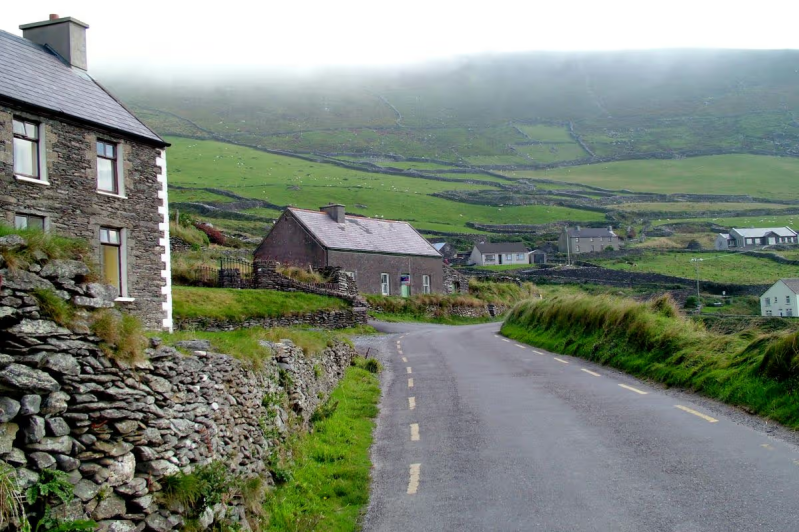

We have large ageing communities, an incredible amount of regulations and expectations, a real need for connection, and a sense of isolation for stay-at-home parents. There is also a heavy weight placed on women to keep everything running while staying well themselves.
All of this needs care.
A person slowly losing themselves to age can benefit from grounding conversations, crafts, and simple social activities that support their overall wellbeing. That farmer wouldn’t have to stay up wired, thinking the same difficult thoughts for days. That stay-at-home mother could have a community to lean on, a therapist to talk to through that unseen weight placed on her since youth — and learn not to repeat the cycle.
Better coping mechanisms can help us keep Leitrim as lovely as it is. Mental health should be accessible, not stigmatised.

Mental health support shouldn’t feel out of reach, or like something you have to travel far for.
Having local, accessible spaces matters.
Spaces where people can:
- talk openly
- explore their experiences
- access different types of support
- feel understood without judgement
Support doesn’t have to be one specific thing. It can take different forms — from therapy and counselling to creative or reflective practices that help people process and reconnect with themselves.
What matters most is that there is somewhere to go, and that people feel able to take that first step.
-Nicole Aguilar